Retro Vintage Abstract 9 Digital Paper: A Comprehensive Evaluation
In the expanding landscape of digital design resources, Retro Vintage Abstract 9 Digital Paper represents a specific category of assets designed to bridge the gap between nostalgic aesthetics and modern production capabilities. This bundle is not merely a collection of images; it is a functional toolkit intended for creators who require high-quality textures and backgrounds that evoke a sense of history without compromising on technical precision. For professionals and hobbyists alike, understanding the scope, application, and limitations of such a resource is essential before integrating it into a workflow.
Understanding the Product Composition
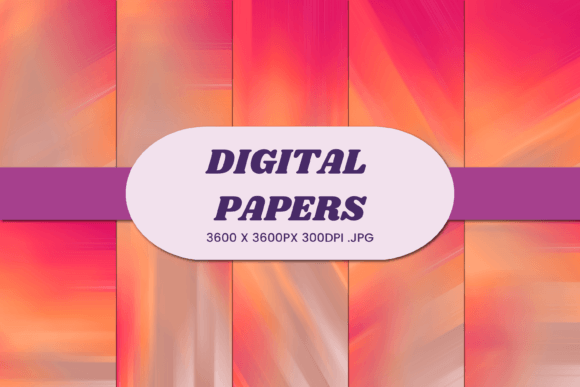
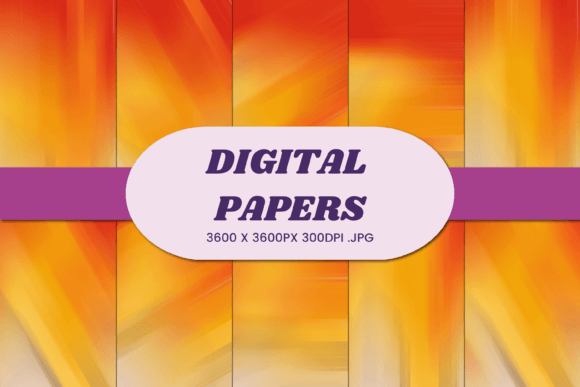
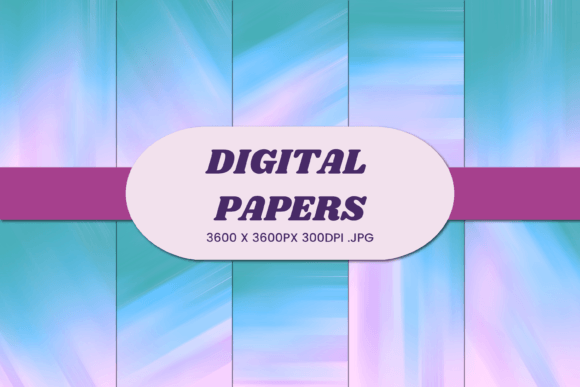
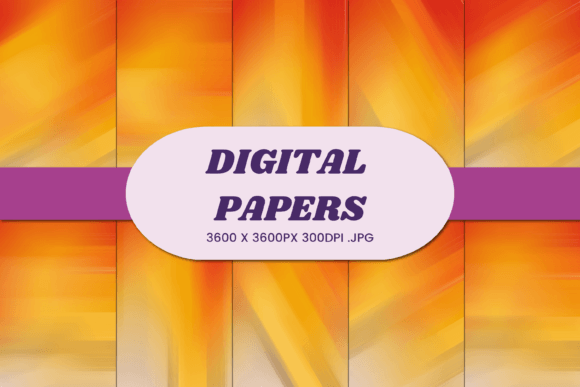
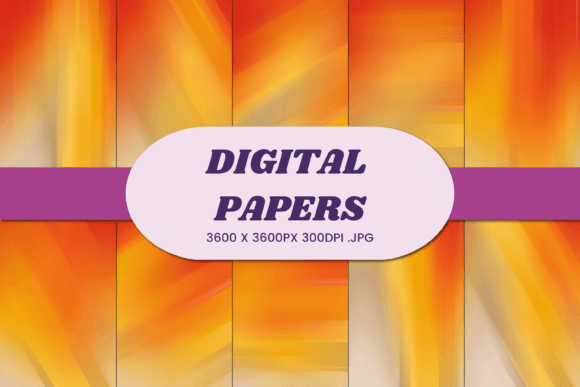
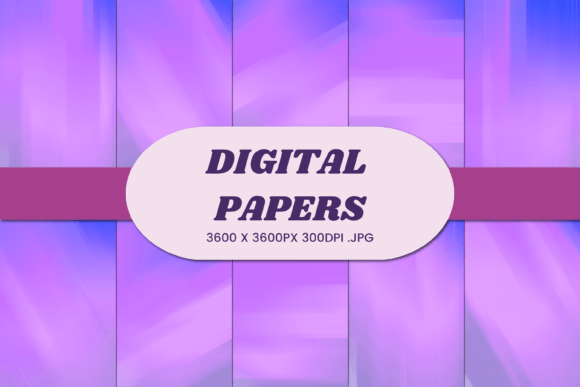
The core offering of Retro Vintage Abstract 9 Digital Paper consists of ten distinct JPG files. Each file is rendered at a substantial resolution of 3600×3600 pixels. In terms of physical dimensions, this equates to a 12x12 inch area when printed at 300 DPI (dots per inch). This specification is critical because it dictates the utility of the files across various mediums. A resolution of 300 DPI is the industry standard for high-quality print work, ensuring that the abstract patterns remain sharp and free from pixelation even when scaled up for larger formats.
The "abstract" nature of these designs implies non-representational forms, likely utilizing geometric shapes, distressed textures, or color gradients that suggest a vintage era without depicting specific historical scenes. The "retro vintage" descriptor further narrows the aesthetic focus, targeting styles popular in mid-20th-century graphic design, which often feature muted palettes, grain effects, and organic imperfections. These characteristics are packaged as digital papers, meaning they serve as base layers or background elements rather than finished illustrations.
Primary Applications and Use Cases
The versatility of Retro Vintage Abstract 9 Digital Paper makes it suitable for a wide array of commercial and personal projects. The high resolution allows for direct use in sublimation printing, where the image is transferred onto substrates like mugs, pillows, blankets, and t-shirts. Because the files are large enough to cover the surface area of these items without stretching, they maintain their integrity during the heat transfer process.
Beyond apparel and home goods, the digital paper format is ideal for creating product packaging. Businesses looking to differentiate their brand with a nostalgic or artisanal feel can utilize these textures as the primary background for labels and boxes. Similarly, for those involved in stationery design, the files are perfect for creating invitations, business cards, and book covers. The 12x12 inch size aligns perfectly with standard scrapbooking and card-making templates, allowing designers to crop and manipulate the images easily.
Digital marketing also benefits from this resource. Social media managers can apply these textures to create cohesive visual themes for posts and stories. Additionally, the files function effectively as wallpapers for desktop and mobile devices, providing users with a unique, textured backdrop that avoids the flatness of solid colors. The inclusion of logo design as a potential use case suggests that these textures can be overlaid on typography to add depth and character to brand identities.
Evaluating Benefits and Technical Considerations
The primary advantage of selecting Retro Vintage Abstract 9 Digital Paper lies in its technical specifications. The 300 DPI resolution ensures that the output is professional-grade. Many lower-cost digital assets are limited to 72 DPI, which is sufficient for web viewing but disastrous for print applications. By starting with a high-resolution source, users eliminate the need for upscaling, which often degrades image quality through interpolation artifacts.
The variety offered within the bundle of ten files provides immediate flexibility. Instead of searching for multiple sources to find a matching texture, a designer can access a curated set of complementary styles in one transaction. This streamlines the creative process, reducing the time spent sourcing assets. Furthermore, the JPG format offers broad compatibility. Unlike PSD or AI files which require specific software, JPGs can be opened in virtually any image editing program, from Adobe Photoshop to free online editors, making the resource accessible to users with varying technical skill levels.
However, there are tradeoffs to consider. Being JPG files means the images are raster-based, not vector-based. If a user needs to scale an element to a billboard size, the image will eventually lose clarity regardless of the initial resolution. Additionally, JPG compression may introduce slight artifacts if the file was saved aggressively, though at 3600×3600 pixels, this is less of a concern for most standard applications. Users should also verify that the abstract patterns do not clash with other design elements, as busy textures can sometimes overwhelm text or logos if not balanced correctly.
Situational Fit: When to Choose This Resource
This digital paper bundle is a strong fit for small business owners launching physical products. Entrepreneurs creating merchandise such as tote bags, phone cases, or stickers benefit significantly from the pre-made textures. They save hours of manual texture creation while maintaining a consistent aesthetic. It is particularly valuable for those who want to achieve a "hand-crafted" look without the actual labor of hand-painting or scanning physical materials.
It is also highly recommended for event planners and wedding coordinators. The vintage aesthetic pairs well with classic invitation styles. The ability to print at 12x12 inches allows for the creation of large-scale decor elements, such as photo backdrops or table runners, using standard home printers or local print shops.
Conversely, this resource may not be the best choice for every scenario. If a project requires a seamless pattern that tiles infinitely without visible breaks, the user must test the specific files in the bundle first, as some abstract designs have hard edges. Furthermore, for projects requiring editable vector paths, such as complex logo manipulation or scalable signage, a vector alternative would be necessary. The static nature of JPGs limits the ability to isolate specific elements within the abstract composition without advanced masking techniques.
Decision-Making Insights
When evaluating whether Retro Vintage Abstract 9 Digital Paper aligns with your goals, consider the end goal of your project. If the objective is rapid prototyping of physical goods or quick turnaround for digital content, the high resolution and ready-to-use format offer significant efficiency. The cost-benefit analysis usually favors this type of bundle over hiring a custom illustrator for simple background textures.
Readers should also assess their current asset library. If you already possess a vast collection of similar vintage textures, adding nine more might result in redundancy. However, if you lack a cohesive vintage theme, this bundle provides a unified style guide that ensures all your outputs share a consistent visual language. It is advisable to download and preview the files in your specific design software before committing to a bulk order if possible, to ensure the color profiles and noise levels match your existing workflow.
In conclusion, Retro Vintage Abstract 9 Digital Paper serves as a robust foundation for diverse creative endeavors. Its high resolution and versatile applications make it a practical tool for both commercial and personal projects. By understanding its strengths in print production and its limitations regarding scalability, users can make informed decisions that enhance the quality and authenticity of their final designs.