Retro Vintage Abstract 39 Digital Paper: A Practical Evaluation for Modern Creators
In the crowded landscape of digital design resources, finding a texture that balances nostalgic charm with modern technical specifications can be a significant challenge. Retro Vintage Abstract 39 Digital Paper has emerged as a specific option for creators seeking to inject a sense of history and organic imperfection into their projects without sacrificing print quality or file versatility. This collection is not merely a set of images; it represents a curated approach to digital texturing that bridges the gap between traditional analog aesthetics and contemporary commercial applications.
For professionals aged 20 to 50 who are evaluating design assets, the decision to purchase or utilize this bundle often hinges on its adaptability across diverse mediums. Unlike generic background textures that may lack depth or resolution, this specific digital paper suite offers a structured format designed for high-stakes production environments. The core value proposition lies in its ability to serve as a foundational element for everything from direct-to-garment printing to social media branding, provided the user understands its distinct characteristics and limitations compared to other available styles.
Understanding the Distinct Characteristics of Retro Vintage Abstract 39
The primary differentiator of Retro Vintage Abstract 39 Digital Paper is its specific adherence to the "retro" aesthetic while maintaining an abstract composition. In the broader market, vintage textures often lean heavily towards realistic wear-and-tear, such as torn paper, water stains, or heavy grunge effects. While effective for certain artistic endeavors, these can sometimes clash with clean, modern typography or sleek product designs.
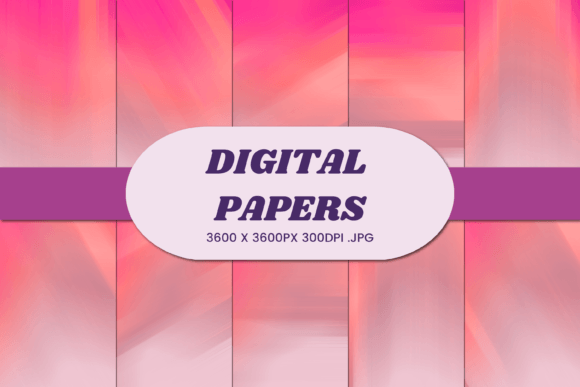
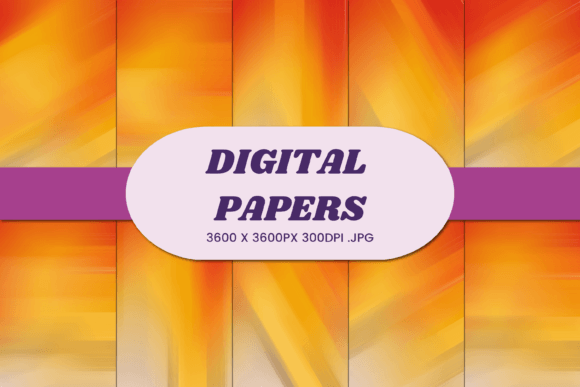
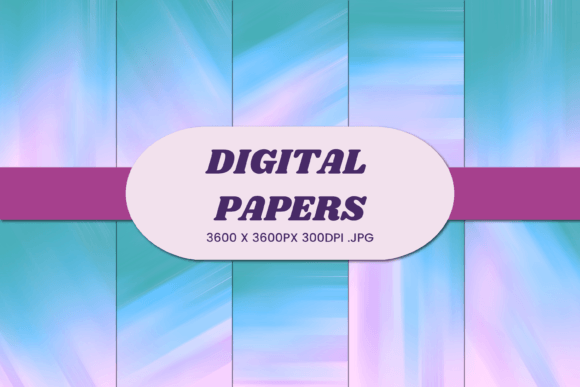
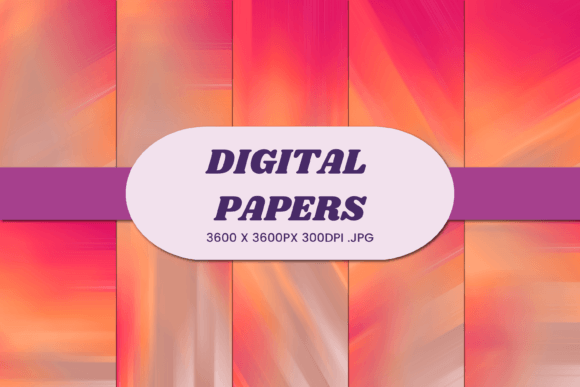
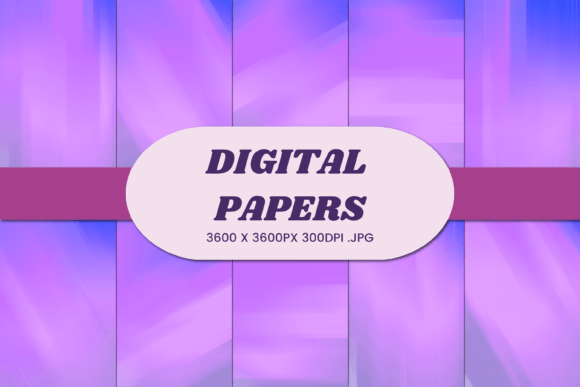
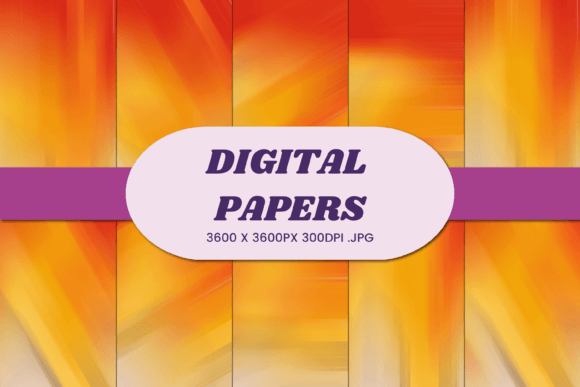
This particular bundle appears to take a more nuanced approach. By focusing on abstract patterns rather than literal distressing, it allows designers to layer content over the background without visual clutter. The files are provided as 10 individual JPGs, each sized at 3600×3600 pixels. This square aspect ratio is particularly noteworthy, as it caters specifically to the vertical-first nature of modern mobile consumption and social media platforms like Instagram and Pinterest, while simultaneously being large enough for standard print layouts.
The inclusion of a 12x12 inch dimension at 300 DPI (dots per inch) is a critical technical specification for anyone intending to use these assets for physical products. Many free or low-cost digital papers suffer from upscaling issues, resulting in pixelation when printed on larger items like blankets or pillows. At 300 DPI, Retro Vintage Abstract 39 Digital Paper ensures that the grain and color variations remain sharp, which is essential for maintaining a professional finish on merchandise.
Comparative Analysis: Format, Resolution, and Versatility
When evaluating Retro Vintage Abstract 39 Digital Paper against similar options, one must consider the tradeoffs between file formats and intended use cases. Many competitors offer vector-based textures or transparent PNG overlays. While vectors offer infinite scalability, they often lack the rich, photographic noise that gives a "vintage" feel. Conversely, transparent PNGs are excellent for overlaying but can be cumbersome to tile seamlessly for full backgrounds.
The choice of JPG format for this bundle suggests a focus on ease of use and broad compatibility. JPGs are universally supported by almost all design software, from Adobe Creative Cloud to Canva, and are lightweight enough for web deployment. However, this comes with a tradeoff: unlike TIFF or PSD files, JPGs do not support layers. Users cannot easily isolate specific elements of the texture to adjust their opacity or blend modes within the file itself. They must rely on their host software's layering capabilities to achieve these effects.
Another point of comparison is the resolution consistency. Some digital paper bundles offer a mix of sizes, requiring the user to upscale smaller files manually. With Retro Vintage Abstract 39 Digital Paper, the uniformity of the 3600×3600 px size eliminates this variable. This consistency is vital for businesses producing multiple SKUs, such as a line of phone cases and matching business cards, ensuring that the brand identity remains visually cohesive regardless of the product size.
Strategic Applications Across Product Categories
The utility of this digital paper extends far beyond simple desktop wallpapers. Its high resolution and abstract nature make it a strong candidate for sublimation printing, a process where heat transfers dye onto materials like mugs, pillows, and blankets. In sublimation, the image becomes part of the fabric or coating, meaning any blurriness or low-resolution artifacts will be permanently visible. The 300 DPI specification of this bundle is therefore a functional necessity rather than a luxury.
For apparel designers working on T-shirts, the abstract quality of the pattern allows for creative integration. Instead of printing a solid block of color, designers can use the texture as a base, overlaying screen-printed graphics that interact with the vintage grain. This creates a depth that flat colors cannot achieve. Similarly, for book covers and product packaging, the texture adds a tactile illusion, suggesting a premium, handcrafted feel that resonates with consumers looking for artisanal quality.
Social media marketing also benefits significantly from this resource. The 12x12 inch size translates perfectly to square posts and stories. When used as a background for promotional graphics, the retro aesthetic can help a brand stand out in a feed dominated by sterile, minimalist photography. It provides a warm, inviting atmosphere that encourages engagement, particularly for brands targeting audiences interested in nostalgia, sustainability, or handmade goods.
Evaluating Strengths and Potential Limitations
To make an informed decision, it is crucial to weigh the strengths of Retro Vintage Abstract 39 Digital Paper against potential limitations. The primary strength is its reliability for print-on-demand businesses. The combination of high resolution and a versatile abstract style means it can be used immediately without extensive editing. For a solopreneur or small business owner, time is a valuable currency, and the ability to download, place, and print without complex manipulation is a significant advantage.
However, there are scenarios where this bundle might not be the ideal choice. If a project requires seamless tiling for a website background that needs to repeat horizontally and vertically without visible seams, users must verify the specific edge alignment of the 10 included files. Not all abstract textures are created equal regarding seamlessness; some may show a hard edge when tiled. Additionally, because the files are JPGs, they lack the transparency required for logos or icons placed directly on top of the texture without a white box surrounding them. Designers would need to create a separate layer or mask to integrate logos effectively.
Furthermore, the "retro" aesthetic, while popular, is subjective. For brands aiming for a futuristic, tech-focused, or ultra-modern look, the inherent warmth and grain of this paper might work against their visual identity. In such cases, a cleaner, geometric, or monochromatic digital paper might be a more appropriate alternative. The decision ultimately rests on whether the desired emotional response from the audience aligns with the vintage vibe.
Decision Factors for Selecting the Right Resource
Choosing between Retro Vintage Abstract 39 Digital Paper and other design resources should be driven by the specific requirements of the project. If the goal is to produce physical merchandise quickly and efficiently, the high DPI and square format of this bundle make it a superior option compared to lower-resolution alternatives found on general stock sites.
Conversely, if the project is purely digital and requires frequent animation or complex layering, the static nature of JPG files might be less efficient than a layered PSD package. However, for the vast majority of print and static web applications, the simplicity of the JPG format is a feature, not a bug. It reduces file size and loading times while maintaining sufficient quality for 99% of commercial uses.
Ultimately, the value of this digital paper bundle lies in its balance of aesthetic appeal and technical capability. It serves as a robust tool for creators who want to evoke a sense of timelessness without compromising on the sharpness required by modern manufacturing standards. Whether used for creating unique invitations, designing eye-catching product packaging, or enhancing a social media presence, Retro Vintage Abstract 39 Digital Paper offers a practical foundation for building a cohesive visual narrative.
By understanding these nuances, designers can avoid the common pitfall of purchasing assets that look good on a screen but fail in production. The key is to match the asset's technical specifications—resolution, format, and composition—with the demands of the final output. For those prioritizing print quality and vintage charm, this bundle stands out as a viable and professional choice in a sea of generic textures.