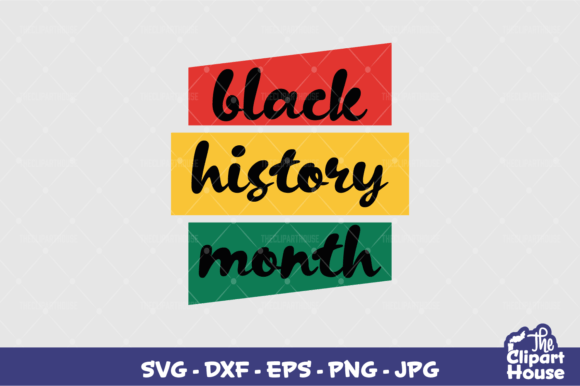
Celebrating Heritage Through Precision: Black History Month 2 and the Future of Custom Digital Crafting
In the rapidly evolving landscape of digital design and small business entrepreneurship, Black History Month 2 represents more than a commemorative calendar event; it signifies a pivotal moment where cultural appreciation meets technological capability. For professionals, creators, and marketers navigating the intersection of heritage and commerce, this period offers a unique opportunity to align brand values with consumer expectations. The modern creative economy demands authenticity, and nothing speaks louder than high-quality, customizable assets that honor history while leveraging cutting-edge manufacturing tools.
The convergence of historical recognition and accessible technology has transformed how businesses approach seasonal marketing. No longer confined to static graphics, the celebration of Black History Month 2 has evolved into a dynamic workflow involving direct-to-garment printing, personalized stationery, and bespoke merchandise. This shift reflects a broader industry trend where consumers expect brands to not only acknowledge diversity but to actively participate in it through tangible, well-crafted products.
The Intersection of Culture and Cutting Technology
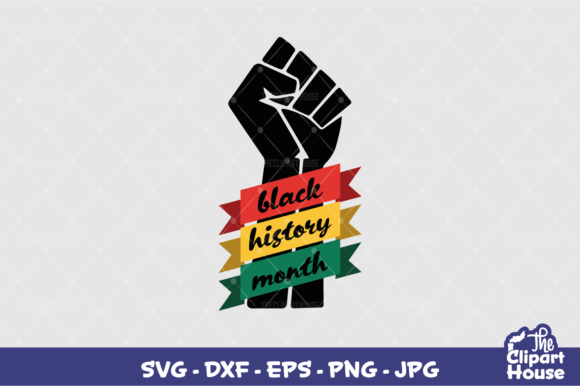
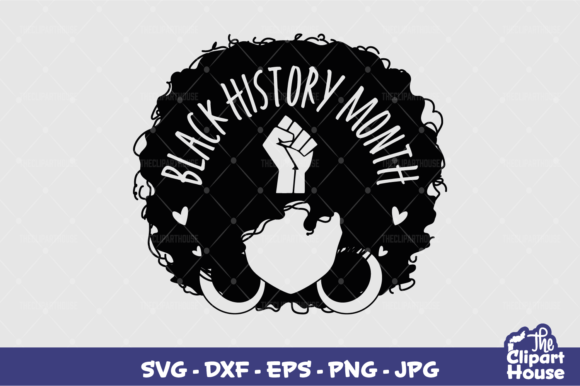
At the heart of this movement is the democratization of design production. Tools like Cricut and Silhouette have moved from niche hobbyist gadgets to essential equipment for serious entrepreneurs. These machines allow for the precise execution of complex vector files, making them ideal for producing the detailed artwork required for meaningful designs. When we discuss Black History Month 2 in the context of these devices, we are looking at a workflow that empowers individuals to create high-volume, low-waste inventory tailored to specific community needs.
The ability to produce heat transfer vinyl (HTV) and iron-on materials means that local businesses can quickly respond to demand without the overhead of traditional screen printing. A boutique owner can print custom t-shirts featuring historical figures or empowering slogans within hours of an order coming in. Similarly, the creation of stickers and decals allows for micro-marketing campaigns on laptops, water bottles, and vehicles, turning everyday objects into statements of identity and pride. This agility is crucial in a market where trends move at lightning speed and relevance is paramount.
Adapting to Changing Consumer Preferences
Why are people paying attention to this specific intersection of history and hardware? The answer lies in the desire for personalization. Modern consumers, particularly younger demographics, reject mass-produced, generic goods in favor of items that tell a story. They want to wear their values. By utilizing downloadable design files optimized for cutting machines, creators can offer products that feel exclusive and intentional.
This shift also impacts the B2B sector. Business cards and invitations printed with high-quality, culturally significant designs signal a company's commitment to inclusivity. In a competitive marketplace, such details differentiate a brand. A wedding planner offering invitations that incorporate motifs celebrating Black History Month 2 demonstrates a level of cultural competence that clients increasingly seek. It is no longer just about aesthetics; it is about alignment. The expectation has changed from "nice to have" to "essential," driving a surge in demand for versatile digital assets.
Technical Versatility Across Industries
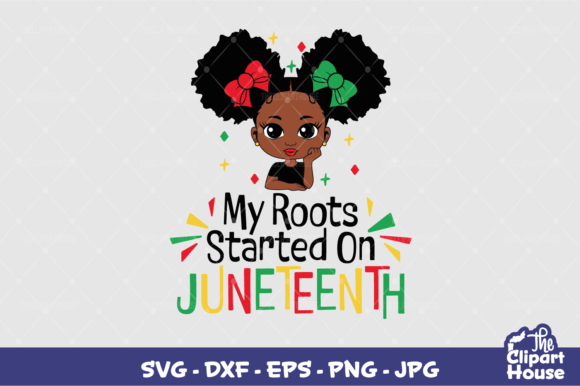
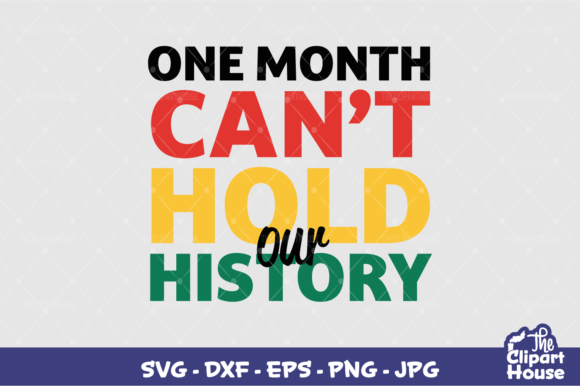
The utility of Black History Month 2 design files extends far beyond simple apparel. The versatility of formats compatible with Cricut, Silhouette, and other cutting machines allows for applications across diverse sectors:
- Apparel and Fashion: From professional workwear to casual streetwear, heat transfer printing allows for durable, vibrant designs that withstand washing and daily wear. This is critical for corporate events, school uniforms, and community gatherings.
- Stationery and Invitations: The tactile nature of printed paper remains powerful. High-resolution JPEGs and PNGs ensure that invitations for galas, lectures, and parties look crisp and professional, bridging the gap between digital design and physical experience.
- Business Branding: Custom business cards and website banners created with these assets help freelancers and agencies stand out. The precision of SVG and DXF files ensures that logos and text remain sharp at any scale, whether on a large banner or a tiny sticker.
- Lifestyle and Decor: Jewelry tags, home decor accents, and party supplies benefit from the intricate cut paths provided by vector files. This allows for complex shapes and fine details that raster images simply cannot replicate when cut.
For the entrepreneur, this versatility translates to a robust product line. Instead of relying on a single product category, a creator can pivot seamlessly from selling stickers to producing full clothing lines using the same core design assets. This efficiency reduces time-to-market and maximizes the return on investment for the initial design effort.
The Workflow Advantage: Instant Downloads and Flexibility
The logistical framework supporting this industry shift is as important as the design itself. The availability of instant downloadable files removes barriers to entry, allowing creators to start production immediately. Upon purchase, users receive a comprehensive suite of formats designed to cover every possible use case:
- SVG File: The gold standard for cutting machines. This vector format allows for infinite scaling without loss of quality, ensuring that a logo looks perfect on a small sticker or a large wall decal.
- PNG File: Essential for printers requiring transparency. This format is ideal for creating overlays on websites or for direct printing on sublimation blanks.
- JPEG File: A universally compatible image format suitable for general viewing and basic printing tasks.
- EPS File: Preferred by professional graphic designers for further editing in Adobe Illustrator, ensuring maximum control over the final output.
- DXF File: Widely supported by various CAD and cutting software, making it accessible for a wide range of machine types beyond just Cricut or Silhouette.
To extract these files efficiently, users require a zip program or similar utility. This standard compression method keeps the delivery streamlined and organized. For the tech-savvy professional, having all these formats in one package means they never face compatibility issues. Whether they are sending a file to a commercial printer or running a batch on a home cutter, the asset is ready.
Looking Forward: Sustainability and Community Impact
As we look toward the future of the creative industry, the integration of Black History Month 2 themes into sustainable practices becomes increasingly relevant. On-demand production via cutting machines minimizes waste compared to traditional bulk manufacturing. Creators can print exactly what is needed, reducing unsold inventory that often ends up in landfills. This aligns with the growing consumer preference for eco-conscious brands.
Furthermore, the economic impact of this trend cannot be overstated. By providing tools that enable independent creators to produce culturally resonant products, we foster a more inclusive economy. Small business owners, many of whom are part of the communities being celebrated, gain access to the resources necessary to thrive. This creates a virtuous cycle where cultural expression drives economic growth.
The relevance of these designs will continue to grow as society places a higher premium on representation. The need for authentic storytelling in design is not a fleeting trend but a fundamental shift in how we communicate. Professionals who adapt to this new reality by incorporating high-quality, versatile assets into their workflows will find themselves ahead of the curve.
Conclusion
The synergy between Black History Month 2 and advanced crafting technology represents a powerful evolution in the design world. It is a testament to how digital tools can amplify human stories, making history accessible, wearable, and shareable. For the professional seeking to make an impact, the combination of insightful design and technical precision offers a clear path forward. By leveraging instant downloadable files in multiple formats, creators can meet the changing needs of their audience with speed, quality, and respect. As the industry continues to mature, those who embrace this fusion of culture and technology will define the next generation of creative commerce.
Whether you are designing a business card, a holiday invitation, or a statement piece of clothing, the potential is limitless. The tools are available, the formats are versatile, and the demand for authentic representation is higher than ever. Embrace the possibilities of Black History Month 2 design today and join the movement of creators shaping a more inclusive tomorrow.